
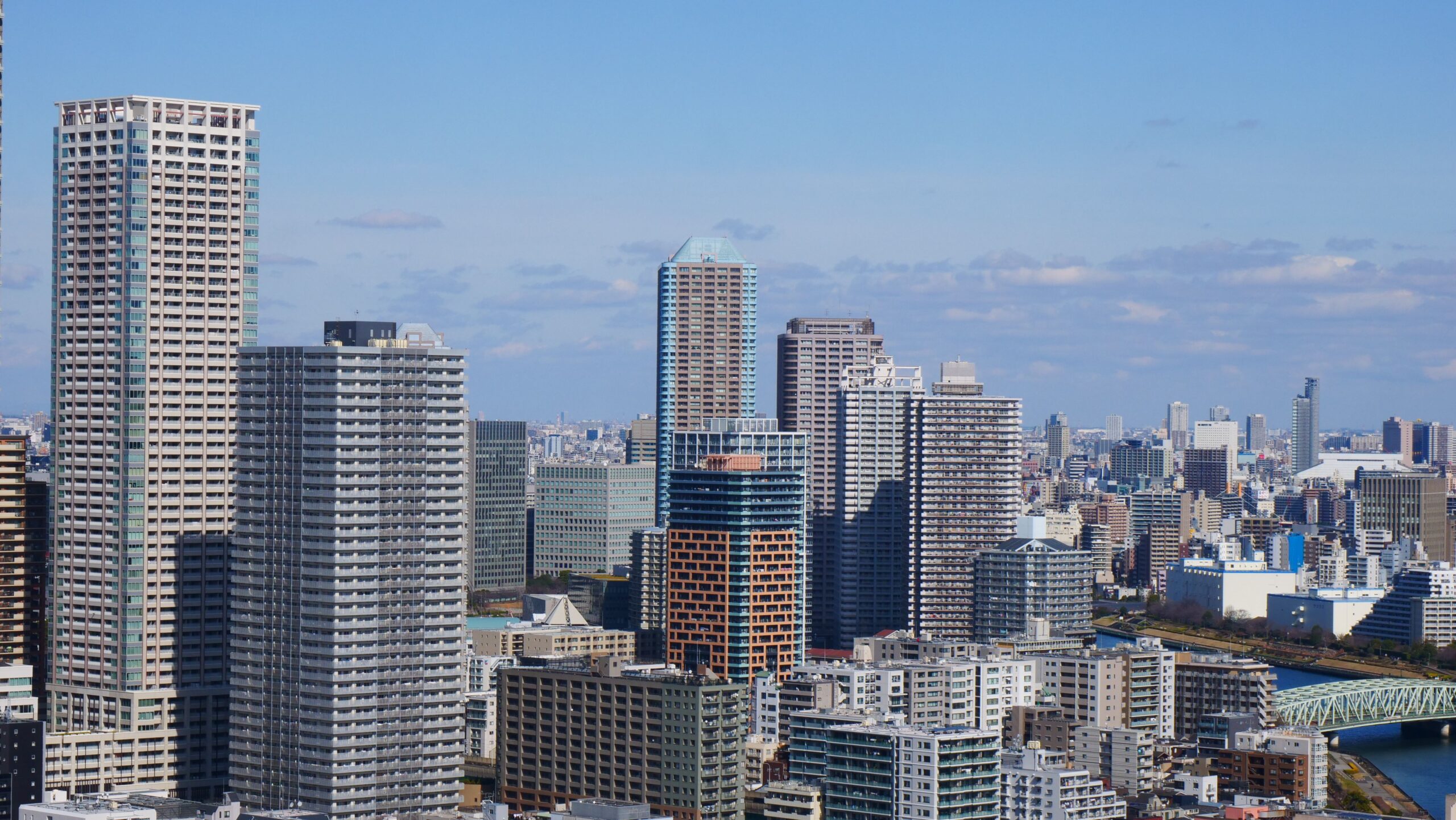
For years, international property investors have focused on the familiar hotspots: Spain, Portugal, Florida, Dubai, Greece and parts of Eastern Europe. Yet one market that continues to surprise me is Japan.
At first glance, Japan doesn’t look like a typical overseas property investment destination. Many investors assume the market is difficult to enter, heavily regulated or closed to foreign buyers. The reality is quite different.
Japan is one of the few major economies where foreign buyers can generally purchase both land and buildings without needing residency or citizenship. For investors looking beyond traditional markets, that alone should make Japan worth investigating.
Why Japan Has My Attention
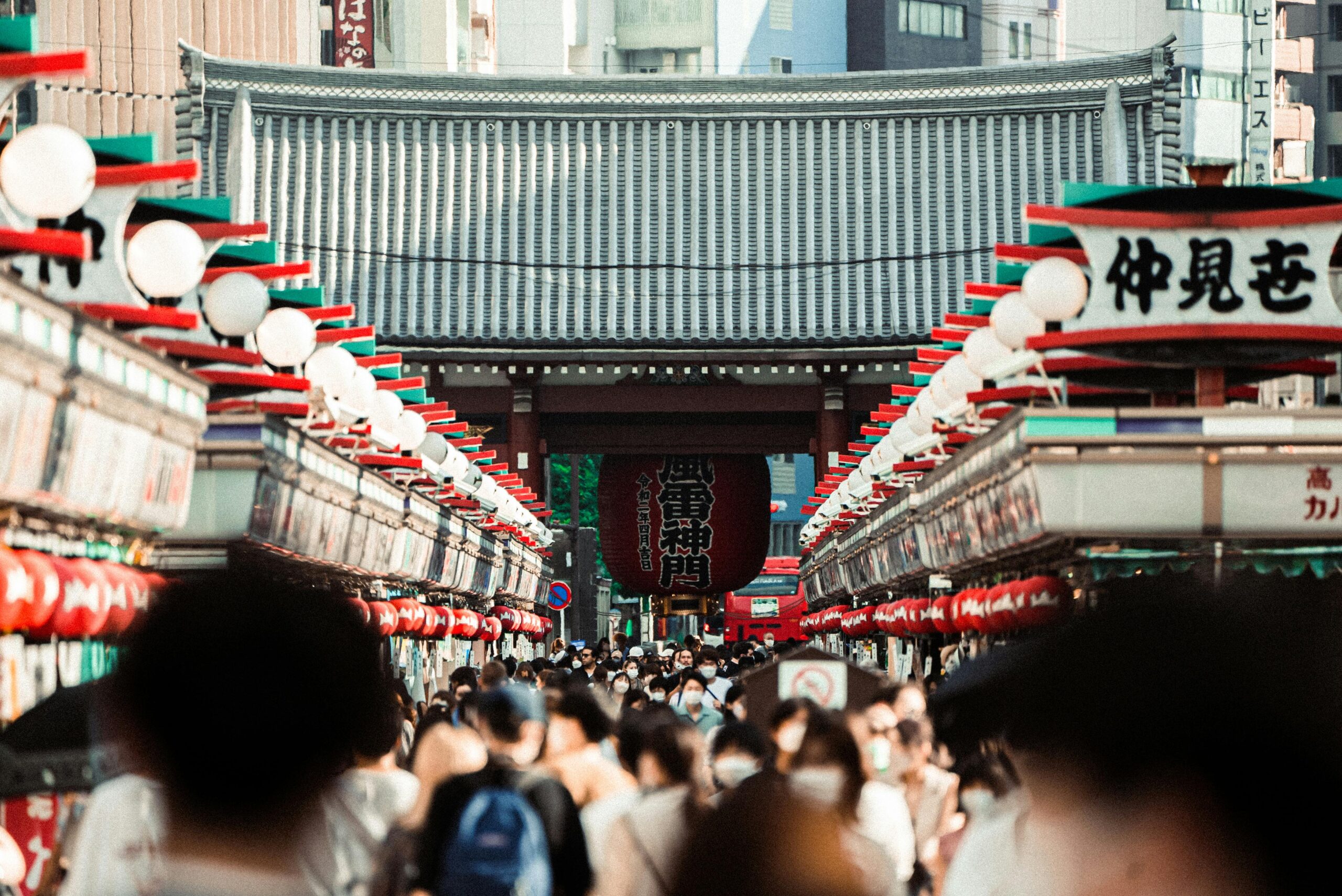
What makes Japan particularly interesting is the combination of affordability, tourism growth and strong infrastructure.
While prime Tokyo property can command premium prices, many regional cities and tourism destinations remain surprisingly accessible compared with major cities in Europe, North America and Australia.
The weak yen has also increased international interest, making Japanese real estate appear significantly more affordable for overseas buyers using US dollars, euros or pounds.
For investors, there are several potential strategies:
- Long-term residential rentals
- Short-term holiday accommodation
- Boutique hospitality projects
- Renovation and repositioning of older homes
- Traditional Japanese guesthouses
- Ski and resort properties
I am especially interested in the opportunities surrounding tourism-related property.
The Airbnb and Income Property Opportunity
Japan welcomed record levels of international tourism before the pandemic and visitor numbers have recovered strongly. This has renewed interest in short-term accommodation and what is known locally as “minpaku” or private lodging.
However, investors should not assume they can simply buy a property and list it on Airbnb.
Japan introduced the Private Lodging Business Act, which regulates short-term rentals. Operators generally require registration and must comply with local rules, building regulations and licensing requirements. In many situations, private lodging operations are restricted to 180 days per year under the Minpaku framework.
That may sound restrictive, but professional investors who understand the rules can still create attractive income-generating opportunities.
Not Every Cheap Property Is a Bargain
One of the biggest attractions drawing international buyers is the rise of akiya properties.
These are vacant homes that can sometimes be purchased for surprisingly low prices.
I’ve seen numerous social media posts suggesting that anyone can buy a Japanese house for next to nothing and generate huge profits.
The reality is more complicated.
Many akiya properties require substantial renovation, seismic upgrades, utility connections, roof repairs or planning approvals. Some are located in areas suffering population decline and limited resale demand.
As with any investment, the cheapest property is rarely the best investment.
Where I Would Be Looking
If I were building a Japan-focused portfolio today, I would be paying particular attention to:
Tokyo
Still the country’s most liquid and internationally recognised market.
Osaka
Strong rental demand, business growth and potentially higher yields than central Tokyo.
Kyoto
Global tourism appeal and unique heritage properties.
Fukuoka
One of Japan’s most dynamic emerging cities.
Niseko
A world-class ski destination attracting international buyers.
Okinawa
Lifestyle and tourism appeal with growing international interest.
My Advice
Japan is not a market for investors chasing quick wins.
It is a market for investors willing to understand local regulations, work with experienced professionals and take a long-term view.
Those who do may find opportunities that are increasingly difficult to locate elsewhere in the developed world.
If you’re considering Japan, I strongly recommend reading our comprehensive buyer guide on HomesGoFast:
The guide covers foreign ownership rules, taxes, rental regulations, investment hotspots and many of the practical considerations international buyers need to understand before entering the market.
Japan may not be the first market most investors think about.
But it could become one of the most interesting.