The commercial real estate landscape is undergoing a structural transformation. Fixed, long-term leases are giving way to a more dynamic model — one built around flexibility, experience, and measurable brand impact. At the center of this shift is retail as a service, a new paradigm that is redefining how brands occupy physical space.
Retail as a service refers to a flexible commercial model in which brands access fully managed, short-term retail space — including location, design, staffing, and logistics — as a turnkey service rather than a traditional lease. It replaces the overhead of permanent retail commitments with agile, experience-first activations that can be launched anywhere in the world.
Why the Traditional Retail Model Is Losing Ground
For decades, commercial real estate operated on a single logic: sign a long lease, build a store, and wait for foot traffic. That model rewarded scale and penalized experimentation. Today, brands need to move faster than a five-year lease allows.
Consumer expectations have changed dramatically. Shoppers no longer visit a store simply to purchase a product — they expect an experience. They want storytelling, discovery, and human connection. Temporary retail space answers that demand by enabling brands to design immersive environments that feel fresh, exclusive, and intentional.
Short-term retail also removes a fundamental barrier: financial risk. Pop up shops allow brands to test new markets, validate products, and build community without committing to permanent infrastructure.
What Retail as a Service Actually Means for Brands
The retail as a service model — accessible through platforms like xNomad, a global marketplace and agency — bundles everything a brand needs to go live in a premium location into a single, managed solution.
This includes location scouting across major cities in Europe, the USA, and China; project management from concept to launch; interior design and furniture; on-site staffing; influencer marketing to drive awareness; and post-activation data and analytics. Rather than coordinating a dozen vendors, brands work within a single ecosystem built for speed and quality.
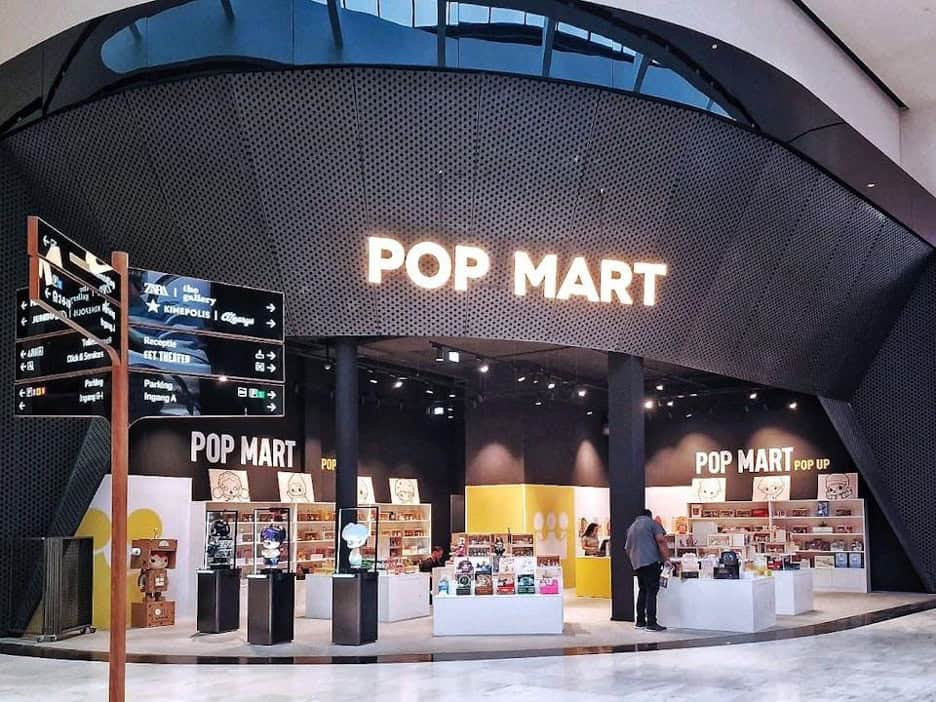
Pop up stores launched through this model are not compromises. They are strategically designed retail experiences that deliver brand equity, customer acquisition, and market intelligence simultaneously.
Key Takeaways: Retail as a Service
- Retail as a service gives brands flexible access to premium temporary retail space without the risk of long-term commercial leases.
- Pop up shops are one of the most effective ways to test retail markets with minimal financial exposure.
- Temporary retail space enables brands to combine storytelling with real-world customer engagement at scale.
- The retail as a service model integrates location, design, staffing, and analytics into a single managed offering.
- Brand activations through pop up stores generate measurable data on consumer behavior, conversion, and brand sentiment.
- Experiential marketing delivered through short-term retail consistently outperforms digital-only campaigns in brand recall and community building.
Why Brands Are Choosing Pop Up Shops Over Permanent Retail
The answer is strategic agility. Pop up shops give brands a controlled environment to test a new city, a new product line, or a new visual identity — without the operational drag of permanent retail.
Fashion houses use pop up stores to create seasonal urgency. Tech brands use them to demonstrate products at scale. Direct-to-consumer brands use them to meet their audiences in person for the first time. In each case, the activation is designed to generate both immediate revenue and long-term brand equity.
Experiential marketing delivered through pop up shops consistently drives higher social engagement, press coverage, and customer loyalty than traditional retail formats. The scarcity and novelty of the format is itself a marketing asset.
Rohan Singh, a growth marketing expert with deep experience in fashion and experiential retail, puts it clearly: “The brands winning in physical retail today aren’t the ones with the most locations — they’re the ones that create moments people feel compelled to share. Pop up stores, when executed with precision, are the most powerful brand-building tool available in the physical world.”
How to Launch Pop Up Stores Successfully
Launching a successful pop up store requires more than finding a vacant space. It demands a coordinated approach across location strategy, design, logistics, staffing, and marketing — all aligned to a clear brand objective.
The most successful activations start with a precise brief: target city, target audience, activation duration, and measurable KPIs. From there, location scouting identifies spaces that align with the brand’s aesthetic and foot-traffic requirements. Design transforms that space into a fully immersive retail experience. Staffing ensures the customer journey is consistent and on-brand from the moment someone walks through the door.
Post-activation analytics close the loop — providing brands with data on dwell time, conversion rates, customer demographics, and social reach. This intelligence feeds directly into future retail marketing strategy and broader commercial decisions.
For brands looking to explore retail as a service at a global level, xNomad operates as both a marketplace connecting brands to premium short-term retail locations and a full-service agency managing every dimension of the activation across Europe, the USA, and China.
The Future of Commercial Real Estate Is Flexible
Commercial landlords and property managers are increasingly embracing the retail as a service model. Rather than leaving prime locations vacant between long-term tenants, property owners are partnering with platforms that can activate those spaces quickly and professionally.
This creates a virtuous cycle: brands get premium retail locations on flexible terms, landlords monetize vacancy, and consumers benefit from a constantly evolving retail landscape that rewards discovery.
Retail locations that once required 12-month minimum commitments are now available for weeks or days. The infrastructure supporting those activations — from furniture rental to influencer partnerships — is available through a single provider. That is the structural shift retail as a service represents.
The brands that build fluency in this model today will hold a significant competitive advantage as permanent retail continues to contract and experiential formats continue to grow. For those ready to build their careers in this evolving industry, job search platforms offer access to opportunities across the retail, marketing, and real estate sectors shaping this transformation.
Frequently Asked Questions
What are pop up shops and how do they work?
Pop up shops are temporary retail activations in which a brand occupies a physical space for a defined period — ranging from a single day to several months. They are used to launch products, test new markets, and create experiential marketing moments that drive brand awareness and direct sales.
How long do pop up stores typically run?
Pop up stores can run for as little as one day or as long as several months, depending on the brand’s objectives. Short activations are common for product launches and brand activations, while longer formats are used for seasonal retail strategies or market testing.
What is the difference between pop up shops and permanent retail?
Pop up shops operate on short-term, flexible agreements without the overhead of a permanent lease. They offer brands the ability to enter a market quickly, test consumer response, and exit without long-term financial obligations — a key advantage of the retail as a service model.
Where can brands launch pop up stores globally?
Through platforms like xNomad, brands can launch pop up stores in premium locations across Europe, the USA, and China, with access to a curated marketplace of retail spaces and a full-service agency team to manage the entire activation.
How does retail as a service benefit commercial real estate owners?
Retail as a service allows property owners to monetize vacant or underutilized spaces by hosting short-term retail activations. This reduces vacancy periods, increases foot traffic, and creates a more dynamic tenant mix — benefiting both landlords and the surrounding retail environment.