I’ve lived the crowdfunding slog myself with TheHouseShop.com, and the reality is far tougher than most headlines admit.
Success stories often look inevitable in hindsight. BrewDog’s rise — from a small Scottish brewery to one of Britain’s most recognisable global brands —
seemed to prove that modern startups could build communities of investors, bypass traditional finance, and disrupt entire industries.
Now, with BrewDog exploring a sale and the possibility of being broken up, the story feels different. Not because disruption “failed” —
but because scale forces every business to confront the same fundamentals: margins, costs, consumer demand, and the economic cycle.
“Disruption creates attention. Sustainability creates businesses.”
From Punk Startup to Global Brand
BrewDog was founded in 2007 by James Watt and Martin Dickie in Fraserburgh, Scotland. It grew fast by doing the opposite of what the mainstream beer market did:
stronger flavours, loud identity, and relentless marketing that treated beer like culture.
A key accelerant was crowdfunding. BrewDog’s “Equity for Punks” made customers into shareholders and turned ownership into a community badge.
That approach helped fuel rapid expansion — bars, brewing capacity, international reach — and turned BrewDog into a case study in modern consumer-brand growth.
But growth built on a community of shareholders comes with long-term obligations: transparency, expectation management, constant communication,
and—later—complexity if the business needs restructuring or new capital on different terms.
The Turning Point: Sale Talks and a More Mature Market
BrewDog’s reported move to explore new investment options follows cost pressure across hospitality and shifting consumer habits.
Craft beer is no longer a novelty category — it’s a crowded, mature market with tighter margins, more competition, and less room for expensive mistakes.
Depending on bidder interest, outcomes could range from a strategic investor to a full sale — even a break-up separating brewing from the bar estate.
It’s a dramatic twist for a company that once defined itself as anti-corporate. But in business, ideology always collides with balance sheets eventually.
My Crowdfunding Experience: TheHouseShop.com
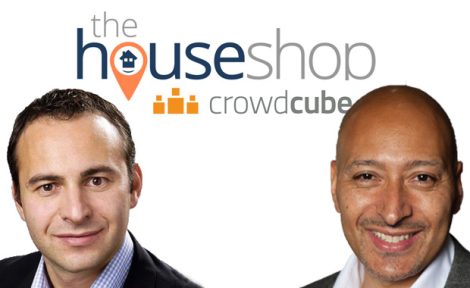
This is the part that matters to founders, not just beer fans. I personally went through a crowdfunding attempt with
TheHouseShop.com, raising publicly to help accelerate growth of our property marketplace. It’s a hard slog — and the public rarely sees why.
In 2018, TheHouseShop launched a crowdfunding campaign seeking £500,000, with a plan to expand the platform and develop lettings further
(as reported at the time by industry press). Crowdfunding looked logical: traction, a clear market opportunity, and the ability to bring supporters into the story.
The reality was intense.
Source coverage here.
“Crowdfunding isn’t just fundraising — it’s running a business and a full-time marketing campaign at the same time.”
Why Crowdfunding Is Such a Hard Slog (What Founders Learn the Hard Way)
1) You’re performing in public — every day
Traditional fundraising happens behind closed doors with a small number of professional investors. Crowdfunding is a public scoreboard.
Everyone can see whether momentum is rising or stalling — and that visibility changes behaviour. Investors watch other investors.
A slow day becomes a narrative.
“Momentum becomes psychology. When funding slows, confidence slows with it.”
2) You must sell the story and explain the economics
Crowdfunding investors aren’t all startup veterans. Many are smart people, but unfamiliar with how growth companies behave financially.
That means founders end up doing constant education: why losses can exist during scaling, why investment is used for expansion,
and what milestones matter more than vanity numbers.
3) It creates a community — and a long-term responsibility
One of crowdfunding’s strengths is also its burden: shareholders feel emotionally involved. They want updates, clarity, reassurance, and visibility.
If you have thousands (or tens of thousands) of shareholders, communication becomes an operational requirement, not a “nice-to-have”.
4) Expectations can outpace reality
Crowdfunding is powered by belief — but markets change. Hospitality is cyclical. Property is cyclical. Consumer spending shifts.
Regulation changes. Costs rise. And the “next phase” you pitched can become much harder to execute under new conditions.
BrewDog’s position today mirrors what many growth businesses face when the economic weather changes.
5) Exits and restructures become more complex
A typical startup negotiates with a handful of stakeholders. A crowdfunded business may have thousands.
That doesn’t mean an exit is impossible — it means it’s more complicated: governance, communications, and investor expectations become part of the deal.
The more widely held the cap table, the more moving parts you have when decisions get difficult.
How Does Crowdfunding Work?
The Hidden Paradox of Crowdfunding Success
Crowdfunding can build a movement and unlock growth faster than traditional routes. But it can also make “grown-up” corporate transitions harder later on:
refinancing, restructuring, or a sale process can become more emotionally and operationally complex when a brand has thousands of retail investors.
That’s why BrewDog’s potential sale is so interesting. It’s not just “a company for sale”.
It’s a live case study in what happens when a community-funded disruptor reaches the maturity stage and needs stability more than hype.
What Founders Should Take From This
- Crowdfunding is not easy money. It’s one of the most demanding fundraising routes you can take.
- Momentum is fragile. Public funding progress changes investor behaviour in real time.
- Community ownership adds obligations. Communication becomes part of operations.
- Markets don’t care about your narrative. Costs, margins, and consumer demand win in the end.
- Scale changes the game. What works at challenger stage can break at global stage.
“Crowdfunding can launch momentum — but it doesn’t remove business fundamentals.”
Related Reading on NickMarr.com
Internal links to keep readers on-site (and strengthen topical authority):
Startups & Innovation (Category)
— funding realities, scaling, and what “startup life” actually looks like.
AI Is Becoming the New Property Portal — Most Agents Haven’t Noticed Yet
— how distribution shifts quietly reshape entire industries.
Capital Mispricing: The Unseen Threat to Money Markets
— why the macro environment matters more than founders want it to.
About Nick Marr
— background and context on property, disruption, and entrepreneurship.