

From Global Internet to Fragmented Networks
For decades, the internet was borderless. American platforms dominated global communications infrastructure. Governments adopted them because they worked.
Now, geopolitics is reshaping that landscape.
France’s strategy is framed around security, jurisdiction and resilience. Russia’s approach is more forceful, reportedly attempting to block WhatsApp in favour of a state-backed alternative.
Different motivations — same direction: control.
The Jurisdiction Question
One key issue is legal control. US-based companies can be subject to US law. European governments increasingly question whether sensitive communications should rely on infrastructure governed outside their territory.
This is not about product quality. It’s about who ultimately has authority over the pipes.
Is This the Start of a Global Trend?
Several factors suggest yes:
- Rising cyber warfare and state-backed hacking.
- Growing distrust between geopolitical blocs.
- National security being extended into digital infrastructure.
- Data localisation policies gaining traction.
We may be entering an era where technology stacks align with political alliances.
The Economic Consequences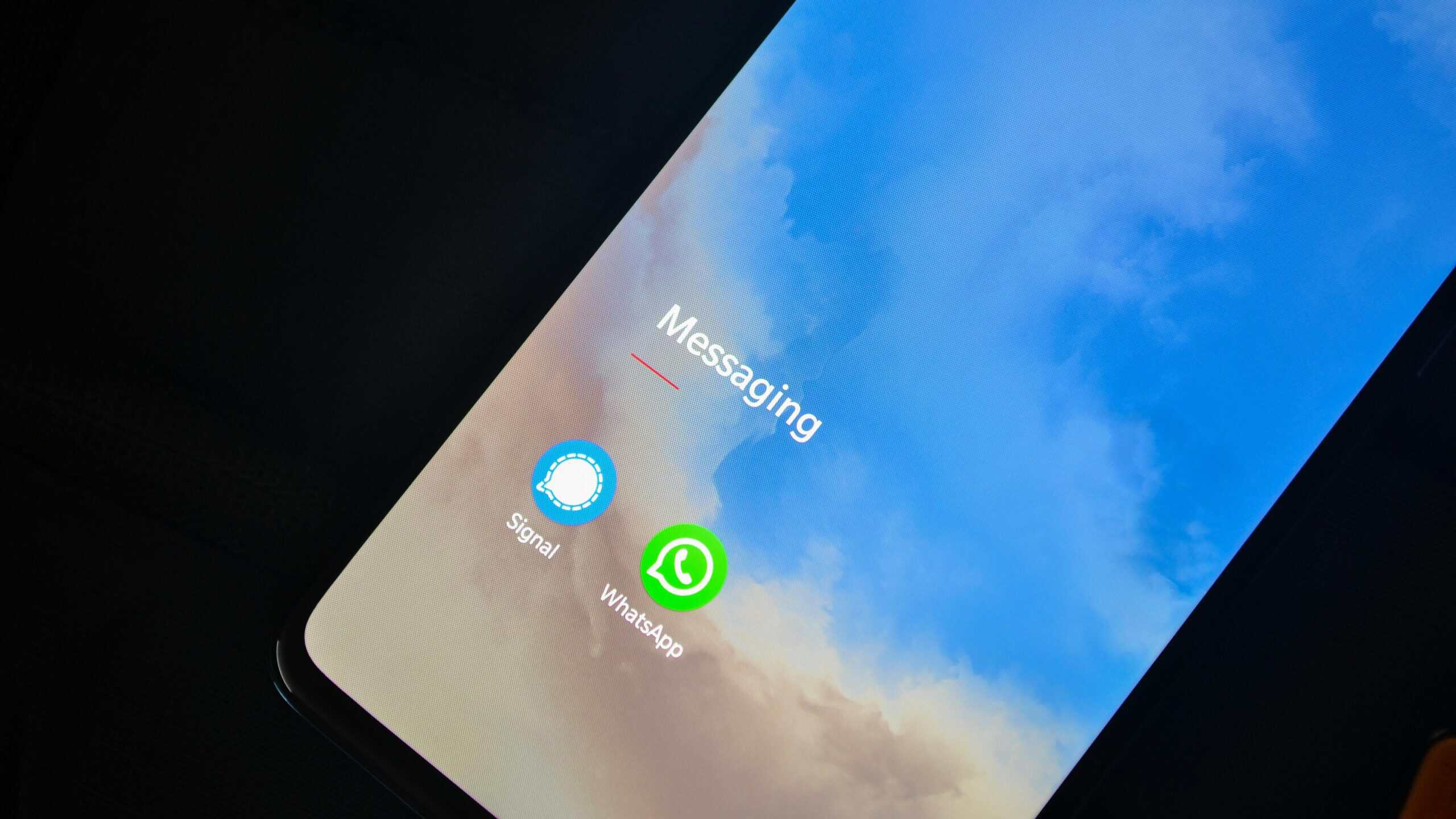 Fragmentation comes at a cost.
- Reduced interoperability
- Higher software development expenses
- Duplicated infrastructure
- Compliance complexity for global firms
Yet governments may accept these costs in exchange for perceived resilience.
The Privacy Paradox
There is a profound irony here.
Some sovereign alternatives may offer less privacy than the global platforms they replace. Critics argue that state-backed messaging systems could enable greater domestic surveillance.
So the debate becomes: is sovereignty about security — or about power?
My View
As someone who has spent over two decades building digital property platforms, I’ve seen how deeply businesses rely on global cloud infrastructure.
I do believe we are witnessing the early stages of a long-term shift.
Not an overnight collapse of US tech dominance — but a gradual rebalancing.
The internet is becoming geopolitical.
What Comes Next?
- More sovereign cloud initiatives
- Regional tech alliances
- Heightened scrutiny of cross-border data flows
- Acceleration of cybersecurity standards
The bigger question is whether this leads to a safer digital world — or a more divided one.
Read my news article at MyWokingham Is the World Turning Away from US Tech?
Frequently Asked Questions
What is digital sovereignty?
Digital sovereignty refers to a country’s ability to control its digital infrastructure, data and communication platforms within its own jurisdiction.
Why did Russia attempt to block WhatsApp?
According to reporting by The Guardian, Russia attempted to block WhatsApp and promote a state-backed alternative platform.
Why is France moving away from Zoom and Teams?
France cites security, jurisdiction and cost considerations as reasons for developing sovereign communication tools.
Will US tech companies lose global dominance?
Not immediately. However, increasing geopolitical fragmentation may reduce their universal reach over time.
Is the internet becoming fragmented?
Many analysts believe we are entering a “splinternet” era, where digital ecosystems increasingly align with political blocs.
Read my news item at mywokingham Is The World Turning Away From US Tech